Summary:
You’ve probably seen the headlines — silver prices have been climbing, and the number looks a lot more interesting than it did a few years ago. Maybe you’ve got a set of sterling flatware that hasn’t left the cabinet in twenty years, a few old coins from a relative’s collection, or some jewelry you’ve been meaning to do something with. Whatever brought you here, the question is the same: what is this stuff actually worth, and is now a good time to do something about it?
This guide is here to answer that honestly. We’ll walk you through how silver is priced, what affects the number you see online, and what it actually means for sellers and buyers here in Nassau County, NY.
Current Silver Price Per Ounce: What the Market Is Actually Telling You
The silver spot price is the global benchmark — it’s the price at which silver is being traded right now on major exchanges like the COMEX in New York and the LBMA in London. It moves constantly throughout the trading day, influenced by everything from industrial demand reports to Federal Reserve policy to geopolitical tension. When you search “silver price oz” and see a number, that’s the spot price — the wholesale cost of one troy ounce of raw silver in bulk form.
What it is not is the price you’ll receive when you sell your silver locally, or the price you’ll pay when you buy it. There’s always a gap between the spot price and the transaction price, and understanding that gap is the difference between feeling informed and feeling confused when you sit across from a buyer.
Cost of Silver Per Ounce: Spot Price vs. What Sellers Actually Receive
Here’s where a lot of people get tripped up. The spot price is a wholesale number — it reflects large-scale institutional trading, not the individual transaction you’re about to make. When you bring silver to us, we’re paying you a percentage of spot price, not the full number. That percentage varies depending on the type of silver, current market conditions, and the purity of what you’re selling.
At our shop and other reputable precious metals buyers in Nassau County, you can generally expect somewhere between 40% and 70% of the current spot price for silver items. Bullion dealers dealing in pure investment-grade silver bars and coins may offer closer to 90–95% of spot, but that’s a narrower market. For sterling silver jewelry, flatware, and mixed items — which is what most Nassau County residents actually have — the 40–70% range is the realistic window.
Why the discount? We have to factor in refining costs, overhead, and resale margin. A sterling silver fork isn’t the same as a silver bar sitting in a vault. It has to be tested, weighed, potentially melted down, and resold — and all of that costs something. The key is finding a buyer who’s transparent about their methodology, checks live spot prices daily, and gives you an offer you can actually understand.
A few things that affect where your offer lands within that range: purity matters enormously. Sterling silver is 92.5% pure silver — the remaining 7.5% is typically copper. Fine silver, marked .999, is 99.9% pure and commands a higher percentage. Pre-1965 U.S. dimes, quarters, and half-dollars are 90% silver (what’s called coin silver), and they have their own valuation track. Silver-plated items — and this is important — contain so little actual silver that most reputable buyers won’t purchase them as precious metal at all. If your piece is marked “EPNS” or “silver plate,” it’s not the same as sterling.
The hallmarks to look for on genuine silver: “925,” “Sterling,” “.999,” or “800” (a European standard). If you’re not sure what you have, bring it in. That’s what we’re here for.
Investing in Silver: What Nassau County Buyers Should Understand Right Now
Silver isn’t just something people sell — it’s something a growing number of people are actively buying as a hedge against inflation and currency instability. And the fundamentals behind the current bull run are more structural than speculative, which is worth understanding if you’re thinking about silver as part of a broader financial strategy.
Industrial demand for silver hit a record 680.5 million ounces in 2024, driven by solar panel manufacturing, electric vehicles, and electronics. Solar photovoltaics alone went from consuming 11% of silver’s industrial demand in 2014 to nearly 29% by 2024. Each electric vehicle uses roughly 25–50 grams of silver, significantly more than a traditional combustion engine. Silver is the most electrically conductive element on the periodic table, which means there’s no easy substitute for it in these applications. Demand is growing; mine supply is not keeping up.
The silver market has been in a structural supply deficit for five consecutive years. That’s not a short-term blip — it’s a sustained imbalance between what the world needs and what mines can produce. Silver bullion gained nearly 25% in the first half of 2025 alone, following a 21% gain in 2024. That kind of momentum reflects real underlying demand, not just trader speculation.
For Nassau County residents who are financially connected to the New York market — and many are, given the county’s ties to the finance sector — silver is increasingly showing up in conversations about portfolio diversification. Buying pre-owned silver items, coins, or small bullion pieces from us gives you physical exposure to the metal without the premiums attached to buying new from a national dealer. It’s worth a conversation if you’re curious.
Selling Silver in Nassau County: What Long Island Sellers Actually Deal With
Nassau County has a specific character when it comes to silver. The communities along the North Shore — Great Neck, Manhasset, Roslyn, Old Westbury — have deep roots in the kind of wealth that came with sterling flatware as a wedding gift, tea services on display in dining rooms, and coin collections passed down through generations. A lot of that silver is still sitting in cabinets and drawers, owned by people who aren’t sure what to do with it.
If you’re settling an estate in Garden City or clearing out a family home in Syosset, there’s a reasonable chance you’ve come across silver items that have real market value — and an equally reasonable chance you have no idea what they’re worth. That’s a very common situation, and it’s nothing to feel embarrassed about.
What Nassau County Homes Actually Have — and What It's Worth
The most common silver items we see from Nassau County residents fall into a few categories. Sterling flatware sets — full services for 8 or 12 from makers like Gorham, Reed & Barton, Wallace, or Tiffany & Co. — are extremely common, especially in homes where the owners lived through the postwar decades when sterling was a standard gift for weddings and anniversaries. A full 12-place setting in sterling can contain multiple troy ounces of silver, and at current market prices, those sets are worth real money.
Pre-1965 U.S. silver coins are another staple of Long Island collections. Morgan dollars, Peace dollars, Walking Liberty half-dollars, and even the common pre-1965 dimes and quarters all contain 90% silver. At current silver prices, a single pre-1965 half-dollar contains roughly 0.36 troy ounces of silver. A roll of 20 of them is meaningful money. Many people have these tucked away in coin folders or jars without realizing what they’re holding.
Estate jewelry is the third major category — rings, bracelets, necklaces, and brooches in sterling or higher-purity silver, often with stones or design elements that may add value beyond the raw metal content. This is where expertise matters most, because a buyer who only looks at melt value may miss the numismatic or artistic premium that a knowledgeable appraiser would catch.
The fear most sellers have — that they’ll walk in and be lowballed without understanding why — is understandable. It’s also addressable. We weigh your items on a calibrated scale in front of you, explain the purity we’re working from, reference the current spot price openly, and give you a number you can actually follow. If a buyer won’t explain their math, that’s a signal worth paying attention to.
Sell Silver or Take a Pawn Loan? How to Decide What Makes Sense
This is a question that comes up more often than people expect, and it’s worth thinking through clearly. Selling silver outright means you walk out with cash and the transaction is complete. A collateral loan — what’s technically called a pawn loan under New York State law — means you use your silver as security for a short-term cash loan, and you get the silver back when you repay it.
For Nassau County residents who have inherited silver with sentimental value, or who need short-term liquidity without wanting to permanently part with something, the loan option is genuinely useful. You can borrow up to 70% of the item’s appraised value, get cash the same day, and reclaim your items when you’re ready. There’s no credit check involved — your silver is the collateral, not your credit score. In a county where property taxes are among the highest in the nation and financial pressure can show up unexpectedly, having a non-credit-damaging option for quick liquidity matters.
New York State caps pawn loan interest at 4% per month, which is regulated consumer protection — not the predatory rates you might associate with the word “pawn.” Licensed pawnbrokers in New York operate under real oversight: we’re required to be licensed by local government, maintain a surety bond, keep detailed transaction records for six years, and complete continuing education every two years. That regulatory framework exists specifically to protect you.
The honest answer to “sell or loan?” depends on your situation. If you need cash and don’t have strong attachment to the item, selling is cleaner and faster. If you want to preserve the option of getting the item back — especially with silver prices elevated and potentially still climbing — a loan gives you that flexibility. Either way, the decision should be yours, made with full information, not pressure.
Where to Sell Silver Near Nassau County and Get a Fair Price
Silver prices are at historically strong levels, driven by real structural demand — not just investor sentiment. If you’ve been sitting on sterling flatware, coins, or jewelry, the market is working in your favor right now. The question is finding a buyer who reflects that in their offer.
What that looks like in practice: a buyer who checks live spot prices before making any offer, weighs your items transparently, explains their purity assessment, and gives you a number you can follow and verify. Speed matters too — you shouldn’t have to wait days or ship anything to a stranger to find out what your silver is worth.
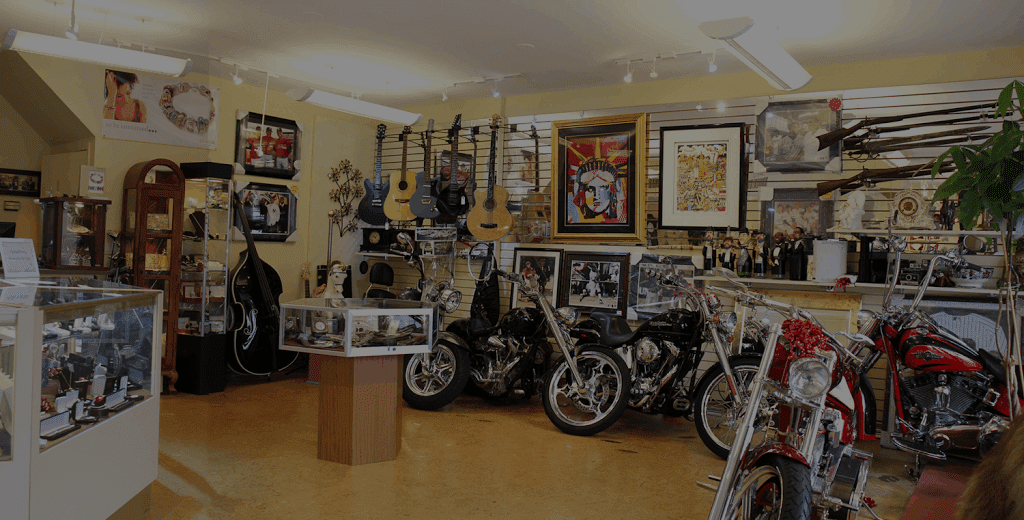
We’re Gold Coast Jewelry & Pawn, and we’ve been serving Nassau and Suffolk County residents for years from our showroom at 1786 East Jericho Turnpike in Huntington — a straightforward drive from Jericho, Syosset, Manhasset, or Great Neck. We’ve been voted the Best Pawn Shop on Long Island by the Long Island Press, and we’d be glad to take a look at what you have. No appointment needed, no pressure, and no surprises about how we arrived at our number.