Summary:
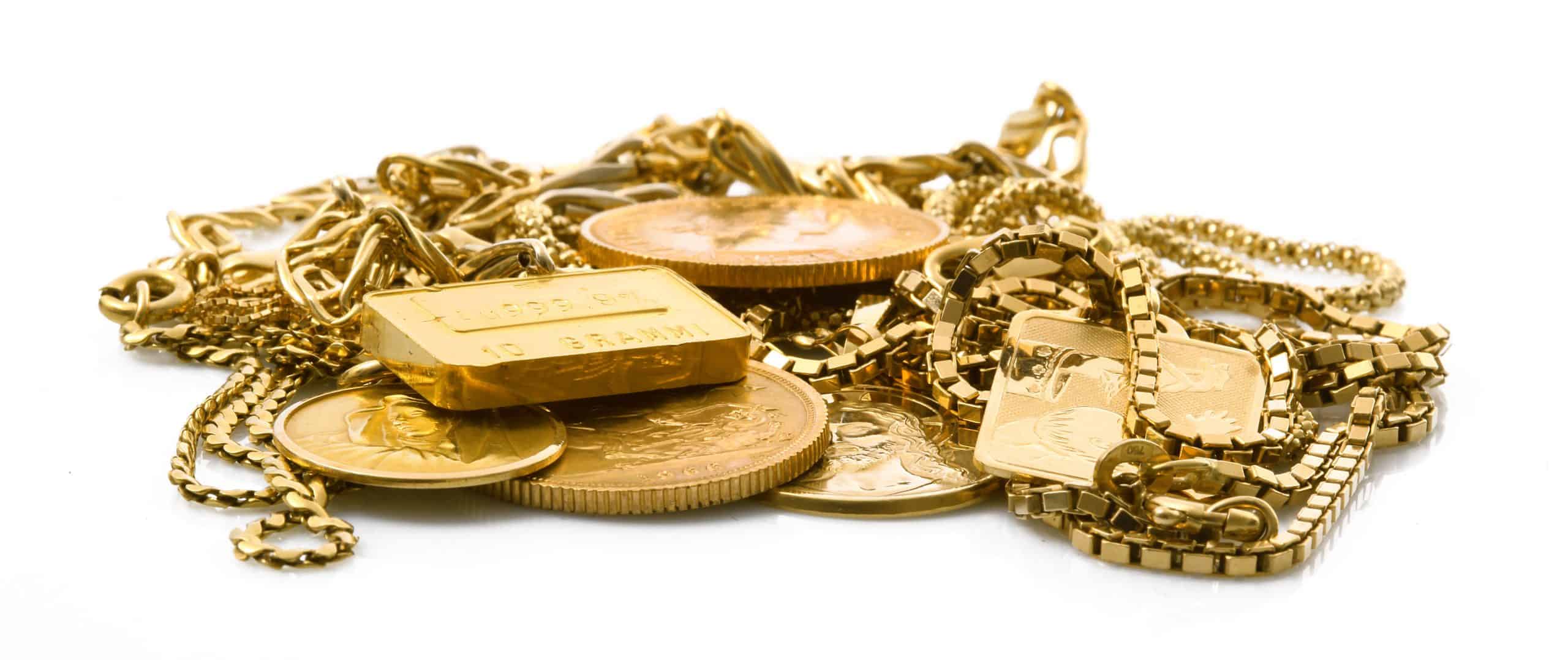
If you’ve got gold jewelry sitting in a drawer — an old chain, a ring from a past relationship, a bracelet inherited from a parent — you’ve probably wondered what it’s actually worth. Not what you paid for it years ago. What it’s worth right now, in today’s market.
Gold prices in 2025 have been climbing to levels most people didn’t expect. And a lot of Nassau County residents are discovering that the jewelry they’ve been ignoring for years is suddenly worth a serious conversation. This page will walk you through how 14K gold is priced, what affects your offer, and how to make sure you’re not leaving money on the table when you decide to sell.
Gold Value: What Actually Determines What Your Jewelry Is Worth
There are three things that determine the value of any gold piece: purity, weight, and the current spot price. Everything else — condition, style, age, whether it’s broken — matters far less than most people think.
Purity is measured in karats. 14K gold means 14 out of 24 parts are pure gold, which works out to 58.3% gold content. The rest is alloy — usually copper, silver, or zinc — which is what gives 14K its durability and color. It’s the most common karat in American jewelry for exactly that reason.
Weight is measured in grams or troy ounces. A heavier piece has more gold content and therefore a higher melt value, regardless of what it looks like. That broken chain you’ve been meaning to throw out? It has the same gold content per gram as an intact one. Condition doesn’t change the math.
Gold Per Gram: How the Pricing Formula Actually Works
Here’s the formula we use when we assess your gold — and the formula any reputable buyer in Nassau County should be using: take the current spot price of gold per troy ounce, multiply it by the purity percentage of your piece, then divide by 31.1 to convert to a per-gram figure. That gives you the melt value — what your gold is worth purely based on its metal content.
At current market rates, 14K gold has been trading in the range of $80 to $90+ per gram in melt value. That means a 10-gram 14K gold necklace — something that might look modest sitting in a jewelry box — carries a melt value of roughly $800 to $900 or more. A few years ago, that same necklace might have been worth half that.
The reason it matters to understand this formula is simple: if you walk into a buyer without knowing it, you’re negotiating blind. A buyer who tells you a number without showing you the math could be working off an outdated spot price, understating your piece’s karat, or using a payout rate that’s well below what the market supports. We walk our customers through exactly how we arrived at our offer. Weight on the scale, purity confirmed through testing, spot price pulled that day, payout rate disclosed. That’s what a transparent transaction looks like.
The payout rate is worth understanding on its own. No buyer pays 100% of melt value — we need margin to operate. But there’s a wide range in what’s considered fair. Generic cash-for-gold operations and pawn shops with no retail component often pay 40 to 60% of melt value. Specialized jewelry buyers and luxury pawn shops with retail operations — where quality pieces can be resold rather than melted — can justify paying 70 to 85% or more. The difference on a single piece can be hundreds of dollars.
So before you sell anywhere, know your weight, know your karat, know the day’s spot price, and ask the buyer to show you the math. If they can’t — or won’t — that tells you something.
18K Gold Price vs. 14K: Does Karat Level Change What You Should Expect?
Yes — significantly. The karat of your piece directly affects its melt value because it determines how much actual gold is in the metal. 18K gold is 75% pure, compared to 14K’s 58.3%. At the same weight, an 18K piece will always be worth more than a 14K piece, simply because it contains more gold.
To put numbers to it: at a spot price of roughly $4,500 per troy ounce (a reasonable reference point for mid-2025 market conditions), 24K pure gold works out to approximately $144 per gram. 18K comes in around $108 per gram. 14K sits around $84 per gram. And 10K — which is 41.7% pure — lands closer to $60 per gram. These figures shift daily with the spot price, but the ratios between them stay consistent.
This is why accurate karat testing matters so much. A piece misidentified as 14K when it’s actually 18K means you’re being paid $84 per gram on metal that should be valued at $108. On a 15-gram bracelet, that’s a difference of $360 — gone, because the wrong number was used. This isn’t a hypothetical. It’s a documented tactic used by less scrupulous buyers: understate the karat, reduce the offer, pocket the difference.
Professional testing eliminates that risk. XRF analysis — the technology we use at our Huntington location — measures the actual elemental composition of the metal, not just the surface. It’s accurate to within a fraction of a percent and produces results in seconds. Acid testing, by contrast, is a surface test that can be fooled by gold plating and is only accurate to within one or two karats. Knowing which method your buyer uses is a reasonable question to ask before you hand anything over.
The karat stamp on your piece — 14K, 585, 18K, 750 — is a starting point, but professional testing confirms it. Any buyer worth working with will verify independently rather than take the stamp at face value.
What Nassau County Sellers Should Know Before Choosing a Gold Buyer
Nassau County has no shortage of places to sell gold — from established jewelry buyers in Garden City and Rockville Centre to pop-up cash-for-gold counters that appear and disappear. The range in what you’ll be offered, and how you’ll be treated, is wider than most people expect.
What separates a buyer worth your time from one that isn’t comes down to a few things: how they test, how they explain their offer, and whether they have a business model that allows them to pay more than melt-minus-a-large-margin. Those factors matter more than proximity or a flashy storefront.
Why Nassau County Residents Are Selling Gold Right Now — and Getting More Than They Expected
The Long Island Herald reported in 2025 that gold and silver selling is booming locally, with Nassau County residents bringing in everything from 14K hoop earrings to sterling flatware and receiving more than they originally paid — sometimes significantly more. That’s not a fluke. It reflects a broader market reality: gold spot prices have climbed roughly 40% year-to-date in 2025, reaching historic highs not seen in decades.
For a lot of Nassau County homeowners, this is meaningful. Property taxes here are among the highest in the country. The cost of living is real. And many residents — particularly those who’ve inherited jewelry from parents or grandparents, or who have gold pieces from relationships or life chapters that have since closed — are sitting on assets they haven’t thought about in years. At today’s prices, those assets are worth a serious look.
The demographic reality of Nassau County is also worth naming directly. A large portion of residents are in their 50s, 60s, and beyond — people who accumulated gold jewelry over decades, often in communities where gold chains, bracelets, and coins carried cultural and financial significance. Italian-American families in Westbury, Jewish families in Great Neck, Greek families across the county — gold was savings, it was gifting, it was tradition. A lot of that gold is still sitting in jewelry boxes, and at 2025 prices, it represents real money.
If you’ve been on the fence about whether it’s worth the trip to a local buyer, the honest answer is: right now, probably yes. The market has rarely been more favorable for sellers. The question is just where you take it.
Sell or Pawn? Understanding Your Options Before You Decide
Most people assume that walking into a gold buyer means walking out without their jewelry. That’s not always the case — and knowing the difference between selling and pawning can change how you approach the decision entirely.
Selling is straightforward: you hand over the piece, you receive cash, the transaction is complete. For jewelry you no longer want, no longer wear, or have no emotional attachment to, this is usually the right call. At current gold prices, the cash value is strong, and there’s no reason to hold a piece you’ll never use again.
Pawning works differently. You use the piece as collateral for a short-term loan — you receive cash, the item is held securely, and when you repay the loan, you get your jewelry back. No credit check. No impact on your credit report. No permanent loss of the item. For pieces that have sentimental value, or situations where you need short-term liquidity but aren’t ready to permanently sell, this option is genuinely worth considering.
We offer collateral loans of up to 70% of item value, with no credit check required and loans secured within an hour. It’s a tool that a lot of Nassau County residents don’t know exists — or assume is only for people in financial crisis. It’s not. It’s a smart, private way to access the value in an asset you already own, without a bank, without a credit application, and without permanently giving anything up.
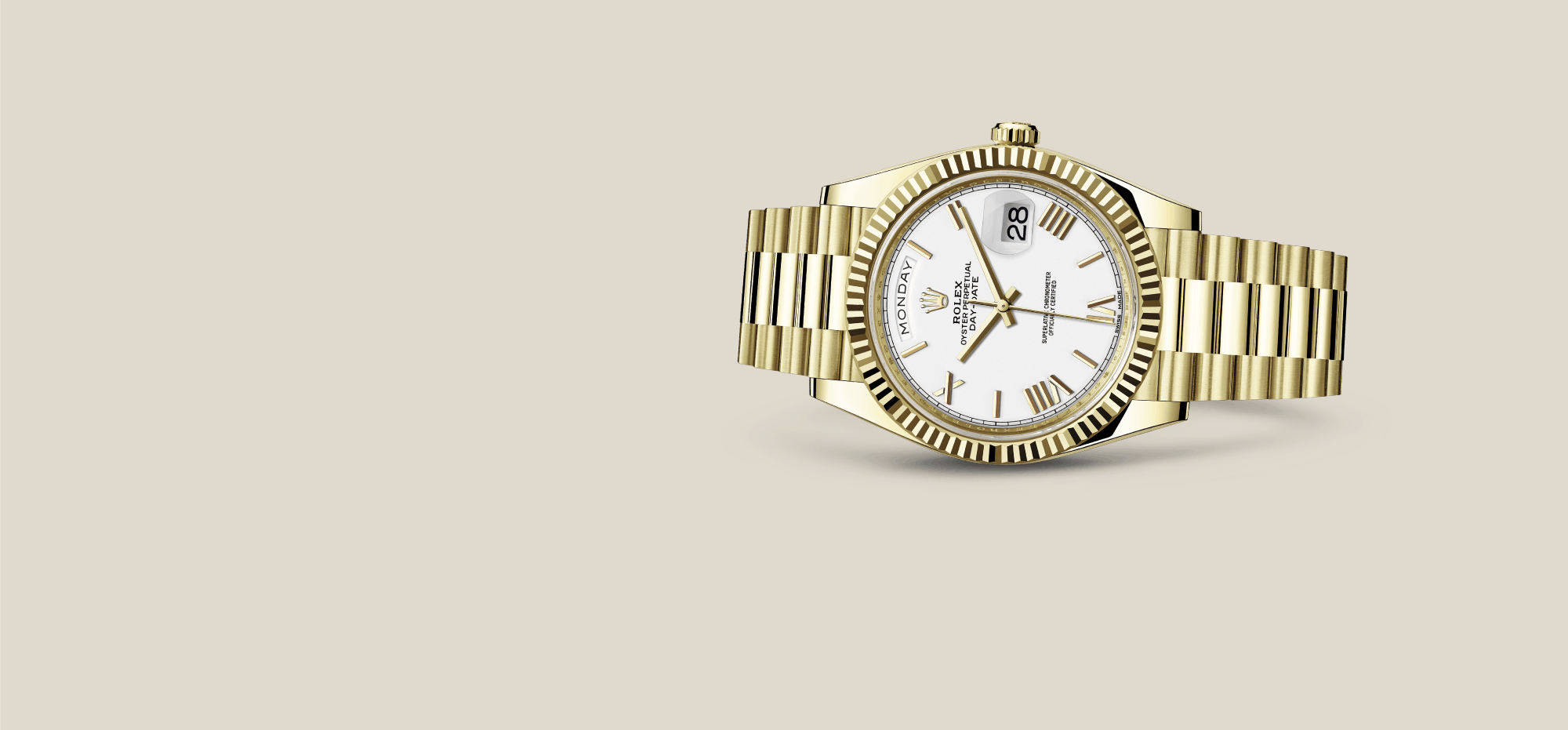
We’re also a Rolex specialist and authorized Ball Watch Dealer, which means if you’re bringing in more than just gold — a watch, a diamond piece, an estate collection — we have the expertise to assess everything accurately and offer accordingly. A generic gold buyer who doesn’t understand the watch market will price a gold Rolex at melt value. That difference can be thousands of dollars.
Voted the Best Pawn Shop on Long Island by the Long Island Press, we’ve built our reputation in this community on being straightforward: we show you the weight, we show you the test results, we show you the math. You walk out knowing exactly what you received and why. That’s just how we operate.
Ready to Find Out What Your 14K Gold Is Worth?
The short version: 14K gold is 58.3% pure, its value moves with the daily spot price, and right now that spot price is at levels most sellers didn’t anticipate. If you have gold jewelry sitting unused — broken, outdated, inherited, or simply forgotten — it’s worth knowing what you actually have before you decide what to do with it.
A fair buyer will test your piece accurately, show you the math, and give you a number you can evaluate. You don’t have to sell on the spot. You don’t have to make any decision under pressure. You just need to start with the right information.
If you’re in Nassau County and want a straightforward, no-pressure assessment of what your gold is worth today, we’re at 1786 East Jericho Turnpike in Huntington — a familiar road to anyone who’s spent time on Long Island — and we’re open seven days a week.