Summary:
Most people who want to buy gold for the first time spend more time second-guessing themselves than actually buying. That’s understandable — the market has its own language, prices move daily, and there’s a real fear of overpaying or ending up with something that isn’t what it claims to be.
The good news is that buying gold and silver for beginners doesn’t have to be complicated. Once you understand a few core concepts — what to buy, how authenticity is verified, and what separates a trustworthy dealer from a risky one — the whole process gets a lot clearer. Let’s start with the most common question: what should you actually buy?
What Should Beginners Buy: Coins, Bars, or Jewelry?
The first decision most new buyers face is choosing between gold coins, gold bars, and gold jewelry — and they’re not interchangeable. Gold jewelry, even a beautiful 18K piece, carries significant making charges and design premiums that have nothing to do with its gold content. If your goal is investment, jewelry is generally not the right starting point.
Bullion coins are the most practical entry point for beginners. American Gold Eagles, Canadian Maple Leafs, and South African Krugerrands are globally recognized, easy to resell, and priced close to the current spot price with a modest, transparent premium. Gold bars offer slightly lower premiums at larger sizes but are less flexible to resell in smaller increments.
One distinction worth understanding early: bullion coins are priced for their metal content, while numismatic or collectible coins are priced for their rarity and condition — sometimes carrying premiums of 50 to 300 percent above spot. As a beginner, stick with bullion. It’s cleaner, more liquid, and far easier to price fairly.
Gold Chloride Test: How We Verify Authenticity
Authentication is where a lot of beginner anxiety lives, and rightfully so. Counterfeit gold is a real problem — not just online, but anywhere buyers aren’t asking the right questions. Understanding how gold testing works helps you evaluate whether a dealer actually knows what they’re doing.
The gold chloride test, sometimes called the acid test, is one of the oldest and most reliable methods for verifying gold purity. In practice, a small scratch of the metal is made on a black basalt testing stone, and acid solutions of increasing strength are applied to the mark. The principle is straightforward: the purer the gold, the stronger the acid required to dissolve it. A piece marked 18K that dissolves under 18K test acid isn’t 18K gold. The reaction doesn’t lie.
This method has been used by refiners and jewelers for generations because it’s direct and hard to fool. At our shop, we use both acid testing and XRF analyzers — X-ray fluorescence technology that identifies exact gold content without any damage to the piece. It’s faster, more precise, and completely non-destructive. We combine these methods because taking authentication seriously means using every tool available.
When you’re buying in person, you’re entitled to ask how the piece was tested. We’re happy to walk you through our process and explain exactly what we found. A dealer who can do that has nothing to hide. One who gets vague when you ask that question is worth walking away from.
The hallmark stamped on a piece (10K, 14K, 18K, 24K) is a starting point, not a guarantee. Counterfeit items can bear false stamps. Professional testing is the only way to know for certain, and it’s what separates a reliable purchase from a gamble. We test everything we sell, and we can show you exactly how we do it.
Is Silver Worth Buying Alongside Gold?
Silver often gets treated as an afterthought — the budget option when gold feels out of reach. That framing undersells it. Silver has a fundamentally different demand profile than gold, and for beginners building a precious metals position, it deserves serious consideration on its own terms.
Industrial demand for silver hit a record 680.5 million ounces in 2024 — the fourth consecutive year of record consumption — driven largely by solar panel manufacturing and electronics. That’s not collector demand or speculative buying. It’s structural, industrial consumption that creates consistent underlying pressure on supply. The silver market has run a supply deficit for four consecutive years. When demand consistently outpaces supply over that kind of timeframe, it matters for price over the long run.
The gold-to-silver ratio — how many ounces of silver it takes to buy one ounce of gold — currently sits around 85 to 91:1, well above the historical average of 60 to 70:1. That gap suggests silver may be undervalued relative to gold by historical standards. Whether that closes quickly or slowly is impossible to predict, but it’s a meaningful data point for anyone building a position in physical metals.
From a practical standpoint, silver’s lower price per ounce (currently in the $30–35 range versus $4,800-plus for gold) makes it more accessible for beginners who want to start building a holding without committing to a large outlay. You can buy a few silver coins or a small bar, get comfortable with the process, learn what good authentication looks like, and build from there. Many Nassau County buyers start with silver and add gold as their confidence and budget grow — and that’s a perfectly sound approach.
The key is buying silver the same way you’d buy gold: bullion coins like the American Silver Eagle or Canadian Silver Maple Leaf, priced close to spot, from a dealer who can verify what they’re selling. The same authentication principles apply.
How to Find a Trustworthy Gold Dealer in Nassau County
Choosing the right dealer matters as much as choosing the right metal. The Nassau County area has no shortage of gold buyers and sellers, and not all of them operate the same way. Some have been in business for decades; others come and go. The difference between a reliable purchase and a regrettable one often comes down to who you’re buying from.
A few things are worth verifying before you commit. Does the dealer have a permanent physical location with a verifiable address and a track record in the community? Do they use professional authentication equipment and explain their process openly? Are their prices tied to current spot prices with disclosed, reasonable premiums? And critically — do they also buy gold? A dealer who both buys and sells creates a natural closed loop: what they sell you today, they’ll buy back when you need liquidity. That alignment of interests matters.
What to Ask Any Gold Dealer Before You Buy
Walking into a dealer for the first time without knowing what to ask puts you at a disadvantage. A few direct questions go a long way toward separating the knowledgeable from the unreliable.
Ask how the piece was tested and what equipment we use. Ask what the current spot price is and what premium you’re paying above it. Ask whether the item comes with any documentation — an assay card, a certificate of authenticity, or a manufacturer’s seal. Ask whether we buy back what we sell, and under what terms. None of these are aggressive questions. Any dealer worth your money will answer them clearly and without hesitation.
Pay attention to the environment as much as the answers. A dealer who takes time to explain, who doesn’t rush you, and who treats your questions as reasonable — not inconvenient — is operating with confidence in what they’re selling. High-pressure tactics, vague answers about testing methods, or prices that seem too far above or below spot are all reasons to slow down.
For Nassau County residents specifically, the in-person advantage is real. Buying gold locally means you can inspect the piece before money changes hands, ask questions face to face, and walk out with your purchase immediately — no shipping risk, no waiting, no uncertainty about what arrives in the mail. Online gold buying carries risks that are easy to overlook until something goes wrong. A local dealer with a fixed address and a community reputation has far more accountability than a website.
It’s also worth knowing that New York State exempts investment-quality precious metals from sales tax on purchases of $1,000 or more — a meaningful benefit for buyers making their first serious purchase. Verify the current rules before you buy, but it’s one more reason why buying locally in Nassau County makes financial sense beyond just convenience.
Storing and Reselling Gold: What Beginners Often Overlook
Two questions that don’t get enough attention in beginner guides: where do you keep it, and what happens when you want to sell?
Storage is simpler than most people expect. A quality home safe bolted to the floor handles most personal holdings without issue. For larger positions, a bank safe deposit box adds another layer of security — though it’s worth noting that safe deposit box contents are not FDIC insured, so a separate insurance rider is worth considering. Some buyers prefer professional vault storage, particularly for larger bars or coins, which can be arranged through certain dealers or independent vault services. The right answer depends on how much you’re holding and how often you want access to it.
Resale liquidity is the question that matters more than most beginners realize. Gold is only as useful as your ability to convert it back to cash when you need to. This is why buying from a dealer who also buys gold is so important. If you purchase from someone who only sells, you’ll need to find a separate buyer when the time comes — and that introduces price uncertainty and friction at exactly the moment you need things to move quickly.
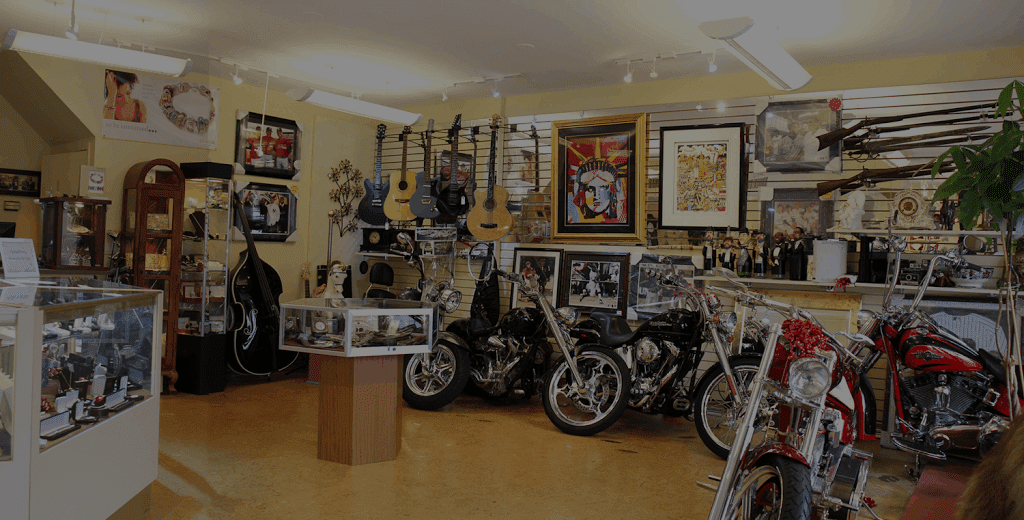
Gold Coast Jewelry & Pawn actively purchases gold, silver, coins, and jewelry, which means you already have a relationship and a ready market for what you own. You know where to go, you know the process, and you’re not starting from scratch. For Nassau County residents, that kind of continuity — buying locally, selling locally, with a dealer who knows the Long Island market — is a practical advantage that online platforms simply can’t replicate.
One more point worth making: don’t let market timing paralyze you. Gold has appreciated roughly 90 percent from its 2018–2019 base through 2025, and central banks purchased over 1,000 tonnes of it for the third consecutive year in 2024. Waiting for the “right” moment to buy is a strategy that rarely pays off in physical metals. A consistent approach — buying a fixed amount at regular intervals, regardless of where the price sits that week — tends to serve long-term holders far better than trying to call the bottom.
Start Your Gold and Silver Journey With Confidence
Buying gold and silver for beginners doesn’t require expertise — it requires finding the right starting point. Know what you’re buying, understand how it’s tested, work with a dealer who can answer your questions directly, and think about resale before you need it.
Nassau County residents have access to a well-established local market, and the advantages of buying in person — seeing the item, understanding the authentication process, walking out with your purchase — are real and worth using. The Gold Coast name carries specific meaning here on Long Island’s North Shore, and that local connection matters when you’re making a purchase you want to feel good about for years.
We’re located at 1786 East Jericho Turnpike in Huntington — a short drive from Nassau County communities across the North Shore. Stop in, ask your questions, and see what’s available. We’re here to help you make a smart decision, not just a fast one.