Summary:
If you’ve searched “silver price today,” you’re probably not doing academic research. You have something — a sterling flatware set from an estate, a bag of old coins, maybe some silver jewelry you’ve been holding onto — and you want to know what it’s actually worth right now, not six months ago.
That’s a fair question, and it deserves a straight answer. Silver’s spot price as of June 2026 sits around $68/oz, which sounds simple until you realize that number doesn’t automatically translate to what you’ll be offered at a counter. Here’s what you need to know to navigate that gap — and make a smart decision either way.
Gold Prices and the Silver Market: Why You Can't Watch One Without the Other
Most people track silver in isolation, but experienced precious metals sellers know that gold prices set the tone for the whole market. When gold moves sharply — up or down — silver tends to follow, often with more volatility in both directions.
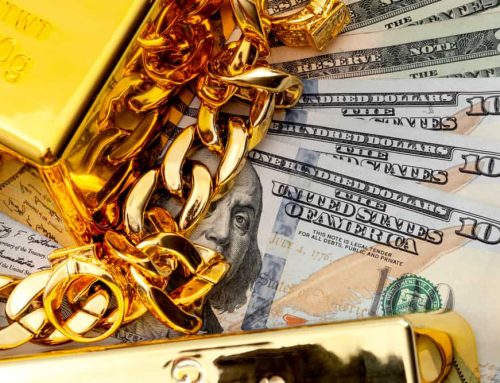
Right now, gold is trading around $4,337/oz. That puts the gold-to-silver ratio above 90, meaning it takes more than 90 ounces of silver to equal the value of one ounce of gold. Historically, that ratio has averaged closer to 60. Whether you read that as silver being undervalued or simply reflecting different market dynamics, it’s a number worth knowing before you walk into any buying conversation.
Gold Rate Today: What the Current Number Actually Tells You
The gold rate today is more than a ticker — it’s a reference point that affects how buyers price everything from gold rings to silver coins. When gold is trading at multi-year highs, as it has been through much of 2025 and into 2026, it tends to pull silver upward with it. But the relationship isn’t perfectly synchronized, and that gap is where informed sellers either capture value or leave money on the table.
Here’s something most people don’t realize: the spot price you see quoted online — whether for gold or silver — is the institutional wholesale price for large-volume trades between banks, refineries, and commodity exchanges. It’s not the retail price. It’s not what a local buyer pays you, and it’s not what you’d pay to buy a single coin. There’s always a spread, and that spread exists for legitimate reasons: testing costs, refining fees, dealer overhead, and market risk.
We explain that spread clearly and show you exactly how your offer was calculated. Weight times purity times spot price, minus a reasonable margin. If a buyer won’t walk you through that math, that’s a red flag worth paying attention to.
For Nassau County residents who follow financial markets — and a lot of you do, given how many people in this area commute to or work adjacent to Wall Street — this kind of transparency shouldn’t feel like a favor. It should be the baseline expectation. We hold ourselves to that standard because it’s the only way a transaction actually feels fair on both sides.
The live gold price also matters if you’re considering buying. Gold has climbed dramatically over the past decade, and while past performance doesn’t guarantee future results, the structural factors driving gold higher — central bank accumulation, currency debasement concerns, geopolitical uncertainty — haven’t gone away. Understanding where gold sits today relative to its own history is essential context before you make any buying decision.
Ten years ago, gold was trading around $1,100–$1,200/oz. Today it’s above $4,300. That’s a roughly 3.5x increase over a decade, which significantly outpaced inflation, the S&P 500 on a risk-adjusted basis in certain periods, and most traditional savings vehicles. Silver’s run has been even more dramatic in percentage terms recently — it gained over 130% in 2025 alone.
If you inherited jewelry or silver coins years ago and haven’t thought about their value since, the numbers may surprise you. A sterling silver tea service that felt like a sentimental keepsake might represent real, meaningful value at today’s prices. The same goes for gold chains, rings, and bracelets that have been sitting in a drawer since the 1990s.
The gold price chart over the past decade tells a story of sustained appreciation interrupted by short, sharp corrections. The 2022–2023 period saw volatility driven by Federal Reserve rate hikes and a stronger dollar. Then gold broke out decisively in 2024 and continued climbing through 2025 and into 2026. Silver followed a similar arc but with more dramatic swings.
For anyone watching a gold price chart live, the key takeaway isn’t about catching the exact peak. It’s about understanding that both metals have demonstrated long-term value preservation in a way that most paper assets haven’t. That’s the fundamental case for holding them — and also why, when you do decide to sell, getting a fair price based on today’s actual gold market price matters more than it might seem.
What’s often missed in these conversations is the difference between numismatic value and melt value. A gold coin’s worth isn’t always just its metal content. Rare dates, mint marks, and condition can push the value significantly above what the gold alone is worth. We evaluate both — not just run it through a calculator.
Buying Gold and Silver Locally in Nassau County: What to Expect
There’s no precious metals exchange in Nassau County the way there’s a Diamond District on 47th Street in Manhattan. That means local buyers and sellers rely on pawn shops, estate dealers, and jewelry stores to bridge the gap — and the quality of that experience varies enormously.
Buying gold and silver locally has real advantages over online platforms. You can inspect what you’re buying. You can ask questions. You can verify authenticity before any money changes hands. And if something goes wrong, you have a physical location and a real person to talk to. That matters more than most people think until it doesn’t.
Best Silver Prices in Nassau County: How to Know If You're Getting a Fair Deal
The best silver prices aren’t necessarily the highest number someone quotes you before they’ve tested your item. They’re the highest number a legitimate buyer offers you after an honest evaluation — and those two things are sometimes very different.
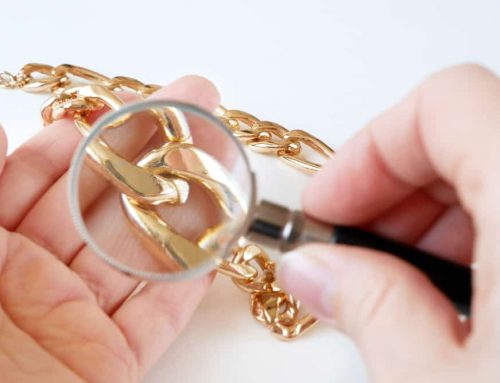
Here’s how a transparent precious metals transaction should work. First, the buyer tests your silver in front of you. For silver, this typically involves checking the hallmark (look for .925 for sterling, .999 for fine silver, or no mark at all for items that may be silver-plated), weighing the piece on a calibrated scale, and potentially using an electronic tester or XRF spectroscopy for higher-value items. XRF is a non-destructive method that gives precise purity readings without scratching or damaging the piece — it’s the professional standard.
Then the buyer shows you the math. Current spot price, multiplied by the weight in troy ounces, multiplied by the purity percentage, minus a dealer margin. That margin covers refining costs, overhead, and risk. It’s not a penalty — it’s how any legitimate precious metals business operates. The question is whether the margin is reasonable, and whether the buyer is willing to explain it.
What you should be wary of: buyers who don’t test in front of you, offers that come before any testing happens, and anyone who creates artificial urgency. “This price is only good today” is a pressure tactic, not a market reality. Silver prices do move daily, but not so dramatically that you can’t take a day to get a second opinion.
For Nassau County residents specifically, we’d note that the Five Towns area, Great Neck, Roslyn, and Garden City all have active markets for estate silver and gold jewelry. If you’re selling inherited pieces from any of these communities, you’re likely dealing with quality items that deserve a careful, knowledgeable evaluation — not a quick eyeball and a lowball number.
If you’re on the buying side — looking to add physical silver to your portfolio — the local market offers something online retailers can’t: the ability to see, hold, and verify what you’re purchasing before you pay for it. Counterfeiting is a real problem in the silver bullion market, particularly for popular coins like the American Silver Eagle and Canadian Silver Maple Leaf. We use professional testing equipment to remove that risk entirely.
When it comes to silver bullion for sale, the most common forms you’ll encounter are silver coins (both bullion coins and older “junk silver” — pre-1965 US dimes, quarters, and half dollars that are 90% silver), silver rounds (privately minted, typically .999 fine), and silver bars in various weights from 1 oz to 100 oz. Each has slightly different pricing relative to spot, with government-issued coins typically carrying a slightly higher premium due to their legal tender status and wider liquidity.
Investing in silver for beginners often starts with coins simply because they’re familiar, easy to understand, and available in small denominations. You don’t need to buy a 100-oz bar to get started. A few American Silver Eagles or a handful of pre-1965 quarters gives you real, physical exposure to silver prices without a large upfront commitment.
The same logic applies to gold. Purchase gold coins — whether American Gold Eagles, Canadian Maple Leafs, or South African Krugerrands — and you own a tangible asset that’s been recognized as a store of value for centuries. Investing in gold for beginners is often less intimidating than it sounds, especially when you’re working with a local dealer who can walk you through gold coin prices, explain the difference between melt value and numismatic premium, and help you understand what you’re actually buying.
Physical gold investment and physical silver investment both come down to the same principle: you own the asset outright. No counterparty risk, no platform fees, no account minimums. You can hold it, store it, or sell it when the time is right. For Nassau County residents who’ve watched financial markets long enough to be skeptical of paper assets, that tangibility is often the entire point.
Where to Sell or Buy Silver in Nassau County, NY
Silver prices today are significantly higher than they were five years ago, and the structural factors driving that — industrial demand from solar manufacturing, persistent supply deficits, and a high gold-to-silver ratio — aren’t going away overnight. Whether you’re selling inherited silver, liquidating a coin collection, or looking to buy bullion for the first time, the market right now rewards people who understand what they have and who they’re dealing with.
A fair transaction starts with a fair evaluation. That means testing done in front of you, math you can follow, and a buyer who’s been doing this long enough to know the difference between a silver-plated tray and a sterling one — and who won’t pretend otherwise.
We’ve been serving Nassau and Suffolk County residents from our location at 1786 E Jericho Turnpike in Huntington, and we’ve been voted the Best Pawn Shop on Long Island by the Long Island Press. If you have silver, gold, coins, or jewelry you’d like evaluated — or if you’re looking to buy — give us a call or stop in. No pressure, no credit check, and no runaround on the math.