Summary:
You’ve seen the headlines. Gold is at record highs. But if you’re sitting on a drawer full of old jewelry, a few inherited pieces, or a watch you haven’t worn in years, the question isn’t what gold is worth in the abstract — it’s what your gold is worth, right now, and whether you’re leaving money on the table by waiting.
This page is for Nassau County residents who want straight answers. We’ll walk you through what’s moving the market, how to read today’s gold rate, and how to figure out what a fair offer actually looks like before you walk into any buyer’s shop.
Gold Prices Today: What the Market Is Doing and Why It Matters
Gold doesn’t move for no reason. The price you see quoted today — per ounce, per gram, per kilo — reflects a combination of global forces that have been building for years. Understanding even the basics of what’s behind the number helps you make smarter decisions about when and where to sell.
Right now, gold prices are sitting at historically elevated levels. From January to April 2025 alone, the spot price climbed from roughly $2,624 to nearly $3,500 per ounce — a gain of about 33% in four months. By mid-2026, prices pushed past $4,200 per ounce on continued demand. That’s not noise. That’s a structural shift in how the world values gold.
Gold Rate Today: What's Actually Driving the Price Up
Several forces are working together to push gold prices to levels most analysts didn’t predict even two years ago. The clearest one is central bank demand. From 2022 through 2024, global central banks bought over 1,000 tonnes of gold per year — nearly double the annual average from the decade before. When the institutions managing national reserves are buying at that pace, it signals something about confidence in traditional currencies and financial systems.
Geopolitical uncertainty is doing its part too. Gold has always functioned as a safe-haven asset — when investors get nervous about tariffs, inflation, or global instability, money flows into gold. That’s been happening consistently. A 2025 World Gold Council analysis found that elevated geopolitical risk alone accounted for roughly 12 percentage points of gold’s year-to-date return, with dollar weakness contributing another 10.
Then there’s the simple supply-and-demand picture. Retail demand is up. ETF inflows have been rising. And the World Gold Council found that 95% of central banks expect global gold reserves to keep growing, with none planning to reduce their own holdings. When institutional buyers, retail investors, and governments are all leaning in the same direction at the same time, the price reflects that.
What this means for you practically: if you’ve been holding gold jewelry, coins, or bullion for any length of time, its cash value today is almost certainly higher than it’s been at any point in your lifetime. The Long Island Herald reported in 2025 that local gold selling was booming across Nassau County, with sellers finding they were getting more than they expected. That tracks with what we see at our shop. People come in with pieces they assumed were worth a few hundred dollars and walk out surprised.
Live Gold Price vs. What You'll Actually Get: Closing the Gap
Here’s the part most gold price articles skip over, and it’s the part that matters most if you’re planning to sell. The spot price — the number you see on Kitco or APMEX — is the price for 100% pure gold traded in bulk on commodity exchanges. Your 14K necklace is not 100% pure gold. And no buyer is paying spot price for it, because no buyer can resell it at spot.
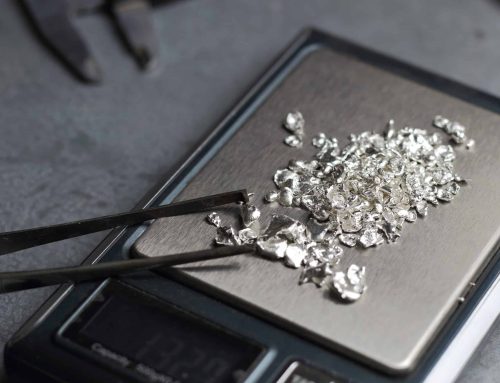
What you’ll actually receive is based on the melt value of your specific piece. That calculation starts with karat purity: 24K gold is 99.9% pure, 18K is 75%, 14K is 58.3%, and 10K is 41.7%. So if you have a 10-gram 14K gold chain, you’re working with about 5.83 grams of pure gold. At today’s prices, that’s real money — but it’s not the same as 10 grams of pure gold, and any honest buyer will walk you through exactly how they arrived at their number.
The other factor is the buyer’s margin. Buyers need to cover their operating costs and make a profit — that’s how any business works. What separates a good buyer from a bad one isn’t that they take a margin, it’s how much they take and whether they’re transparent about it. The industry standard for collateral loans runs between 40% and 60% of assessed value. We offer up to 70%, which is meaningfully higher, and we use professional-grade testing equipment to make sure the assessment itself is accurate. The test is done in front of you. You see the result. You understand how the number was calculated before you decide anything.
One thing worth knowing: selling isn’t your only option. If gold is at record highs and you need cash but don’t want to permanently part with a piece, a collateral loan lets you borrow against your gold and reclaim it when you repay. That’s a legitimate financial tool — and one that most buyers don’t explain unless you ask.
Gold Buying and Selling in Nassau County: What Local Residents Should Know
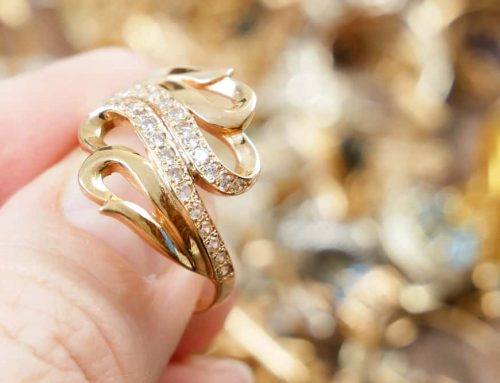
Nassau County isn’t a generic market. The North Shore communities — Great Neck, Manhasset, Oyster Bay, Old Westbury — carry a specific kind of wealth that’s been accumulating for generations. Estate jewelry , inherited gold, Rolex watches, diamond rings from decades-old engagements: these aren’t unusual items here. They’re sitting in jewelry boxes and safe deposit boxes across Garden City, Syosset, Woodbury, and Plainview right now, often owned by people who have no idea what they’re worth at today’s prices.
There’s a reason this part of Long Island was historically called the Gold Coast — the stretch of grand estates along the North Shore that inspired Fitzgerald’s Gatsby. Our name isn’t accidental. We’ve been serving Nassau and Suffolk County residents for years, and we understand the kind of pieces that come through our door here.
When Is the Right Time for Nassau County Residents to Sell Gold?
The honest answer is that timing the gold market perfectly is nearly impossible — even for professional traders. What you can do is recognize when prices are historically elevated and make a rational decision based on that. Right now, by any reasonable historical measure, gold prices are high. The question of whether they’ll go higher is genuinely unknown. The question of whether today’s price represents a strong selling opportunity is much easier to answer: yes.
Nassau County residents tend to be financially sophisticated. Many people who come in have already checked the spot price online before visiting. That’s smart. It means you’re walking in informed, and it makes the conversation more productive. What the spot price doesn’t tell you is how your specific piece — a 14K bracelet, a set of silver flatware, a Rolex Submariner — translates into a cash offer. That’s where the evaluation matters.
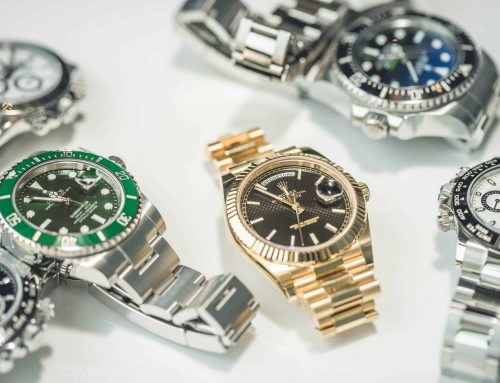
We’re a Rolex specialist, which means we understand the watch market in a way that a general gold buyer doesn’t. A pre-owned Rolex isn’t just worth its metal content — it has collector value, brand value, and market demand that a basic melt-value calculation misses entirely. The same logic applies to signed jewelry pieces or items with historical significance. Getting an accurate evaluation from someone who actually knows the category is worth more than chasing the highest advertised payout from a shop that treats everything like scrap.
For residents of Hicksville, Jericho, Massapequa, Rockville Centre, and the surrounding Nassau County communities, we’re accessible via E Jericho Turnpike — one of the main east-west corridors connecting Nassau and Suffolk. You don’t need an appointment. You can come in, get a free evaluation, and walk out with cash the same day if you decide to sell.
Frequently Asked Questions About Gold Prices From Nassau County Sellers
**What is the current gold price per ounce today?** Gold spot prices change throughout the trading day based on global market activity. As of mid-2026, gold has been trading above $4,200 per ounce — a level that would have seemed extraordinary just a few years ago. For the most current number, financial sites like Kitco or APMEX publish live prices. What matters more for sellers in Nassau County is understanding that the spot price is a starting point, not a final offer — your payout is calculated from the purity and weight of your specific piece.
**How do I know if I’m getting a fair price in Nassau County?** The best indicator of a fair offer is transparency. A reputable buyer will test your gold in front of you, explain the karat reading, show you the weight, and walk you through the math before asking you to decide anything. In Nassau County, the gold-buying market has gotten more competitive as prices have risen — which is actually good for sellers. We’ve been voted the Best Pawn Shop on Long Island by the Long Island Press, and that recognition reflects a consistent track record of fair dealing with local customers. If a buyer can’t or won’t explain how they arrived at their number, that’s your signal to walk out.
**How often does the gold price change?** Gold prices fluctuate continuously during market hours — technically, the spot price updates every few seconds based on futures trading activity. For practical purposes, the price you see in the morning may be slightly different by the afternoon. Day-to-day swings are normal. The broader trend over the past two years has been strongly upward, which is what matters most for sellers deciding whether now is a good time to act.
**Can I get a loan against my gold instead of selling it?** Yes, and this is an option more people should know about. A collateral loan lets you borrow against your gold without giving up ownership. You reclaim your item when you repay the loan. We offer up to 70% of assessed value on collateral loans — no credit check, no credit bureau inquiry, and no judgment. For Nassau County residents dealing with the area’s notoriously high cost of living and property tax burden, it’s a practical way to access cash without a permanent decision.
**Do I need to know the karat before I come in?** No. We test everything on-site with professional-grade equipment. You don’t need to know whether your piece is 10K, 14K, or 18K — we’ll determine that accurately and explain the result to you. Coming in informed is always helpful, but it’s not a prerequisite.
Where Nassau County Residents Go to Get Real Value for Their Gold
Gold prices are at historic levels, and that matters whether you’re thinking about selling a single ring or liquidating an entire estate’s worth of jewelry. The market has created a genuine opportunity for Long Island residents — but only if you work with a buyer who evaluates your pieces accurately and pays you fairly for what they’re actually worth.
Understanding the spot price is step one. Knowing how karat purity, weight, and buyer margins affect your final offer is step two. Finding a buyer with the equipment, expertise, and track record to do right by you is what actually determines the outcome.
If you’re in Nassau County — whether you’re coming from Manhasset, Long Beach, East Meadow, or anywhere along the Route 25 corridor — we’re worth the trip. Stop in, get a free evaluation, and see exactly what today’s gold market means for the pieces you’ve been holding onto.