Summary:
Most people selling gold have one question they’re almost afraid to ask out loud: how do I know I’m not getting ripped off? It’s a fair question. Gold dealers range from licensed, long-established professionals to unlicensed buyers operating out of a folding table at a hotel ballroom. The difference in what you’ll be offered — and how you’ll be treated — can be significant. This page breaks down what actually separates a professional gold dealer from an amateur one, what good testing and pricing looks like, and why those distinctions matter whether you’re selling a single chain or liquidating an entire estate.
What Qualifies Someone to Be a Professional Gold Dealer
Licensing is the starting point, not the finish line. In New York, pawnbrokers and precious metal dealers are regulated at the state and local level. A licensed dealer is legally accountable in ways an unlicensed buyer simply isn’t — they can be reported, audited, and held to consumer protection standards. That accountability alone changes how a transaction feels.
Beyond licensing, the real differentiators are experience, equipment, and market access. A dealer who operates at both the retail and wholesale level understands gold pricing at every tier — from raw materials to finished jewelry. That depth of knowledge translates directly into more accurate offers for you, because we’re not guessing. We know what the market will bear.
Gold Dore Bars Buyers and What Wholesale Knowledge Actually Signals
You’ve probably never heard of a gold dore bar, and that’s fine — most people haven’t. Dore bars are semi-pure gold and silver alloy bars produced directly at mining sites. They’re not raw ore, and they’re not finished bullion. They sit in the middle of the supply chain, typically containing somewhere between 50% and 75% gold, before being sent to a refinery for final assaying and refinement.
Why does this matter to you as a seller in Nassau County? Because a dealer who understands dore bars, wholesale gold pricing, and the full supply chain from mine to market isn’t operating at the consumer level only. We understand what gold is worth at every stage. That knowledge filters down to the counter. When someone walks in with a 14K bracelet or a handful of old coins, a dealer with wholesale-level fluency can price accurately and confidently — without needing to pad their margin to compensate for uncertainty.
The London Good Delivery standard, which is the global benchmark for professional gold bars, requires at least 99.5% purity, a weight of 350 to 430 troy ounces, and a unique serial number from an approved refiner. That level of precision is what the professional end of the gold market runs on. A dealer connected to that world brings a completely different level of rigor to an everyday transaction.
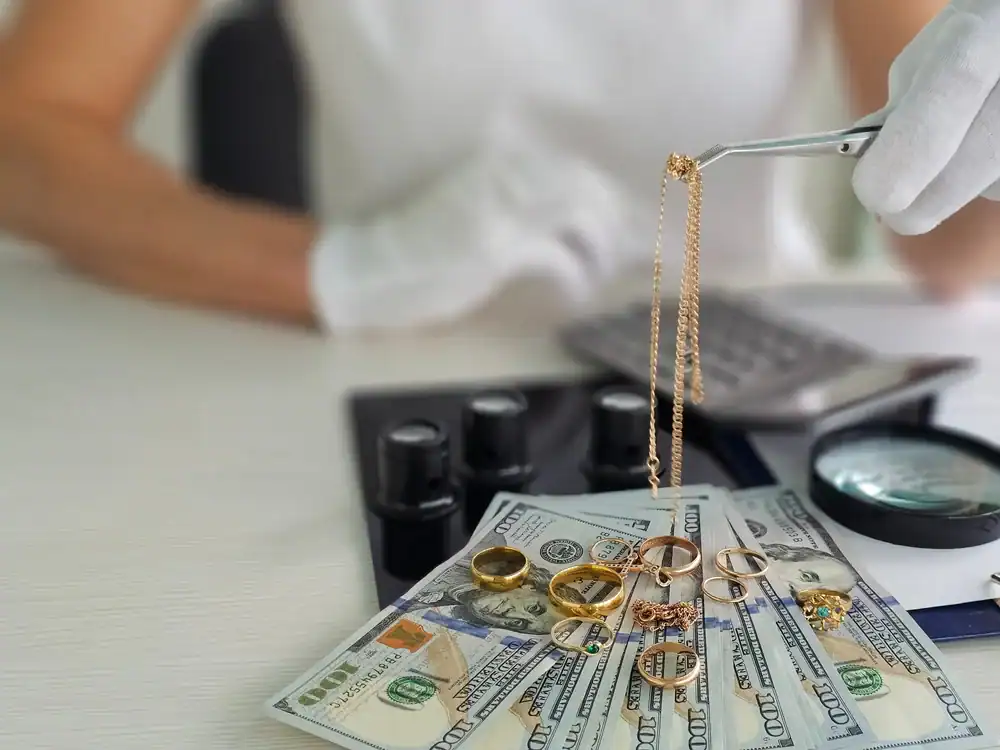
We operate at both the retail and wholesale level, which means when you bring us gold — whether it’s a single ring or a collection of pieces from an estate — we’re evaluating it against real market data, not a rough estimate. That’s what fair pricing actually looks like in practice.
How Professional Gold Dealers Test Gold — and Why the Method Matters
Testing gold sounds simple. It isn’t. The method a dealer uses tells you a lot about how seriously they take accuracy — and by extension, how seriously they take you.
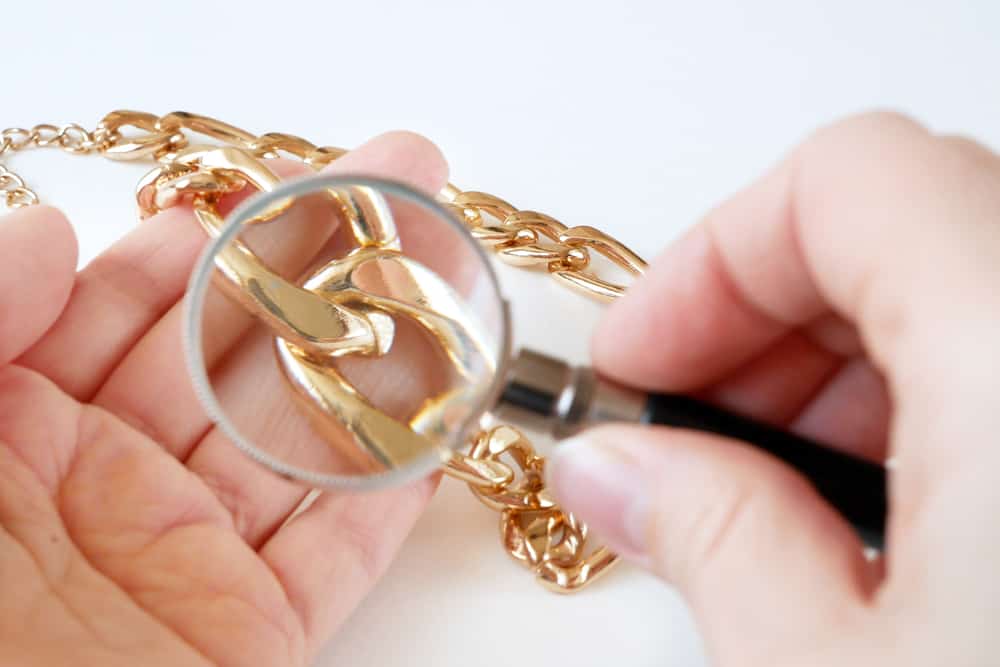
The most basic screening tool is a magnet. Real gold isn’t magnetic, so a strong magnet can immediately flag obvious fakes. But that’s a first pass, not a final answer. Experienced dealers layer their testing. Acid testing, also called touchstone testing, involves rubbing gold against a black stone and applying nitric acid to the mark. Different acid concentrations react differently to 10K, 14K, and 18K gold, revealing purity with reasonable accuracy. It’s a proven method that’s been used in the trade for generations.
Electronic gold testers use electrical conductivity to estimate purity without scratching or marking the piece. They’re fast, non-destructive, and useful for screening. But the most precise non-destructive method available today is XRF analysis — X-Ray Fluorescence. XRF uses X-rays to determine the exact elemental composition of a metal, producing a detailed breakdown of what’s actually in the piece. It’s what professional dealers and refineries rely on when accuracy matters most.
Fire assay is the most accurate method of all — it involves dissolving and chemically separating the gold to weigh it precisely. Refineries use it for final purity determination. It’s not typically performed at the point of purchase, but a dealer who understands fire assay understands gold at its most fundamental level.
Sophisticated counterfeits exist. Non-magnetic metals that mimic gold, copper pieces stamped 14K, plated items worn enough to look solid — these are real, and a dealer relying on a single test is vulnerable to them. More importantly, a dealer using imprecise methods may undervalue legitimate gold. If we can’t confirm purity confidently, we’ll offer less to protect ourselves. Accurate testing protects both parties.
Understanding Gold Price Trends Before You Sell
One of the most common mistakes sellers make is walking in without any sense of what the market is doing. You don’t need to be a commodities trader to have a basic understanding of gold pricing — and a few key facts can meaningfully change how you approach a conversation with a dealer.
Gold pricing moves with the market, and right now, that market is at historically significant levels. A professional dealer will always tie their offer to the current spot price. If we can’t explain how we arrived at a number, that’s a problem.
Gold Price Historical Trend: Why the Last Five Years Changed Everything
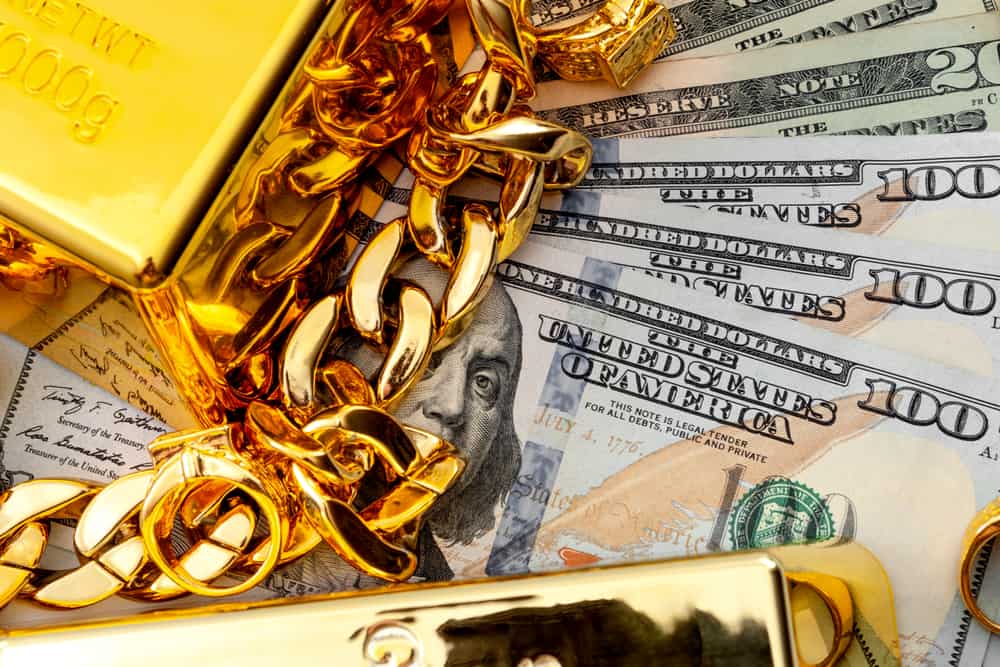
To understand where gold is today, it helps to know where it’s been. In December 2019, gold was trading under $1,500 per ounce. By July 2020, it crossed $1,957 for the first time — driven largely by COVID-era economic uncertainty and a surge in demand for safe-haven assets. Then in May 2023, gold crossed $2,000 per ounce for the first time in history. By April 2025, it hit an all-time high of $3,500 per ounce.
What this means for sellers in Nassau County is straightforward. If you’ve been holding onto jewelry, coins, or inherited pieces for years, you may be sitting on significantly more value than you realize. A 14K gold piece contains 58.3% pure gold. At current spot prices, even a modest piece carries real weight. Many sellers are genuinely surprised — pleasantly so — when they find out what their items are worth today.
The gold cost trend also matters for buyers. Long-term data consistently shows that gold holds value through inflation, recessions, and geopolitical instability in ways that few other assets can match. For Nassau County residents looking to put money into something tangible, understanding this track record is the foundation of any smart decision.
Buying Gold and Silver for Beginners: What Nassau County Residents Should Know First
If you’re new to buying gold or silver, the most important thing to understand is the difference between jewelry gold and investment gold. Jewelry is priced by karat — 10K, 14K, 18K, and 24K represent 41.7%, 58.3%, 75%, and 99.9% pure gold respectively. Bullion — bars and coins produced specifically for investment — is priced closer to the raw spot price, with a smaller premium added for manufacturing and distribution.
The spot price is the live market price for one troy ounce of pure gold. Every legitimate dealer’s offer is anchored to this number. When you understand spot price, you can evaluate any offer in real time. If a dealer can’t or won’t connect their offer to spot price, that’s a red flag.
For beginners in Nassau County, buying from an established local dealer has real advantages over online platforms. You can see and handle what you’re buying. You can ask questions and get answers from a person who knows the product. And if something isn’t right, you have a physical location to return to — not a shipping address and a customer service queue. Residents who are new to gold and silver investing benefit from working with a dealer who has both retail and wholesale experience, because that depth of knowledge makes the education part of the process much more useful.
The last several years have brought a lot of new buyers into the market — people who watched gold climb and started paying attention. If that’s you, starting with a trusted local dealer who can walk you through the basics, explain how pricing works, and help you make a decision without pressure is the right move. We work with first-time buyers regularly, and the questions you think are basic are usually the most important ones to ask.
Finding a Gold Dealer in Nassau County Worth Trusting
The standards that define a professional gold dealer aren’t complicated, but they matter. Licensing, accurate testing methods, real-time pricing tied to spot, and the kind of market knowledge that only comes from years of experience — these are the things that separate a fair transaction from a frustrating one.
Nassau County has no shortage of options. What it has fewer of are dealers who combine genuine expertise, a long-standing local reputation, and the ability to serve both individual sellers and wholesale-level buyers under one roof. That’s a meaningful distinction when you’re deciding who to trust with something valuable.
If you have gold, silver, jewelry, coins, or inherited pieces you’re thinking about selling — or if you’re just trying to understand what you have — we’re a good place to start the conversation. Voted Best Pawn Shop on Long Island by the Long Island Press, and serving Nassau and Suffolk County residents for years, we’re here when you’re ready.