
Summary:
Summer on Long Island is expensive. Between beach rentals, Hampton weekends, and the general cost of living in Nassau County — where property taxes alone can run $10,000 or more a year — a cash shortfall in June or July isn’t unusual, even for households that are otherwise doing fine. The problem is that most “quick cash” options are either slow, expensive, or both. What a lot of people don’t realize is that the jewelry sitting in their drawer might be worth more than they think — and turning it into cash is faster and cheaper than any loan they’ll find online. Here’s how the options actually compare.
Quick Cash Loans vs. Selling Jewelry for Vacation Funding
When most people search for quick cash loans, they’re picturing something like a payday loan or a short-term personal loan — fast money, minimal paperwork, done. The reality is messier. Payday loans carry APRs that routinely hit 300% to 400%, meaning a $1,000 loan can cost you $400 or more in fees within two weeks. Personal loans from banks are cheaper, but they require a credit check, income verification, and several days of processing — not exactly useful when you need cash before the weekend.
Selling jewelry you already own sidesteps all of that. You’re not borrowing anything, so there’s no repayment schedule, no interest, and no credit impact. You hand over something you’re not using, and you walk out with cash the same day. For Nassau County residents — especially those sitting on gold jewelry, inherited pieces, or a watch they haven’t worn in years — it’s genuinely the better financial move.
What Does a Payday Loan Actually Cost You vs. Selling Gold?
Let’s put some numbers to it. Say you need $1,000 for a summer rental deposit. A payday lender gives you that $1,000, but when your next paycheck arrives, you owe back $1,150 to $1,400 depending on the lender and state rules — that’s the fee structure, not an exaggeration. If you can’t cover the full repayment, the loan rolls over and the fees compound. What started as a $1,000 shortfall can quietly become a $1,500 or $1,600 problem by the end of summer.
Now consider the alternative. You have a gold necklace you inherited and never wear, a diamond ring from a relationship that ended years ago, or a watch that’s been sitting in a drawer since 2019. At current gold prices — which have been trading near all-time highs through 2024 and into 2025 — that jewelry may be worth considerably more than you’d expect. A quality buyer will offer you a fair percentage of the item’s actual resale value, not just melt value. That means you could realistically walk in with $1,400 worth of jewelry and walk out with $900 to $1,000 in cash, with nothing to pay back and no lender involved.
The comparison isn’t even close when you factor in the full cost of borrowing. Payday loans are designed to be renewed — that’s how lenders profit. Selling jewelry is a one-time transaction with a clean ending. You get the cash, you fund the vacation, and you move on. There’s no August bill waiting for you when you get home from Montauk.
It’s also worth noting that pawn loans — where you use jewelry as collateral and can reclaim it later — sit somewhere in between. The interest rates are far lower than payday loans (typically around 3–4% per month rather than per two weeks), and your credit score is never touched. If the item has real sentimental value, pawning gives you a way to get temporary cash without permanently parting with the piece. But if it’s something you genuinely don’t need back, selling outright is almost always the better financial outcome.
How Pawn Loans Work — and When They Make More Sense Than Selling
A pawn loan is simpler than most people think. You bring in an item of value — a gold chain, a diamond ring, a Rolex — and the shop loans you a percentage of that item’s resale value. The item stays with the shop as collateral. You repay the loan plus interest within the agreed term, and you get the item back. If you can’t or don’t repay, the shop keeps the item — but that’s where it ends. No collections calls, no credit damage, no legal exposure. The loan simply closes.
This structure is genuinely useful for people who need short-term cash but want to hold onto something meaningful. Maybe it’s a watch you wear occasionally, or a piece of jewelry with family history. Pawning lets you access the value without giving it up permanently. Nationally, about 80% of pawned items are redeemed — meaning most people do come back for their things.
The key variable is the offer you receive. A shop that only calculates melt value on gold jewelry — ignoring the craftsmanship, the brand, or the resale market — is going to offer you significantly less than a shop with real market knowledge. That gap matters. If you’re bringing in a Rolex Submariner, a shop that doesn’t specialize in luxury watches may offer you $3,000 when the watch is worth $8,000 on the secondary market. A Rolex specialist will know the difference and price accordingly.
For Nassau County residents considering a pawn loan on a luxury watch or high-value jewelry piece, the shop’s expertise is as important as the interest rate. A better offer upfront means more cash in hand — even if the rate is the same.
Sell Jewelry for Cash: What You Should Know Before You Go
The process of selling jewelry for cash is straightforward, but the outcome varies significantly depending on where you go and what you bring. Not all buyers are the same, and the difference between a fair offer and a lowball one often comes down to the buyer’s expertise and their access to the resale market.
Gold prices in 2024 and 2025 have been trading near record highs — above $2,400 per ounce at various points — which means gold jewelry that’s been sitting untouched for years is currently worth more than it’s been in a long time. If you’ve been on the fence about selling, the timing is genuinely favorable right now.
What Items Are Worth the Most When You Sell for Fast Cash?
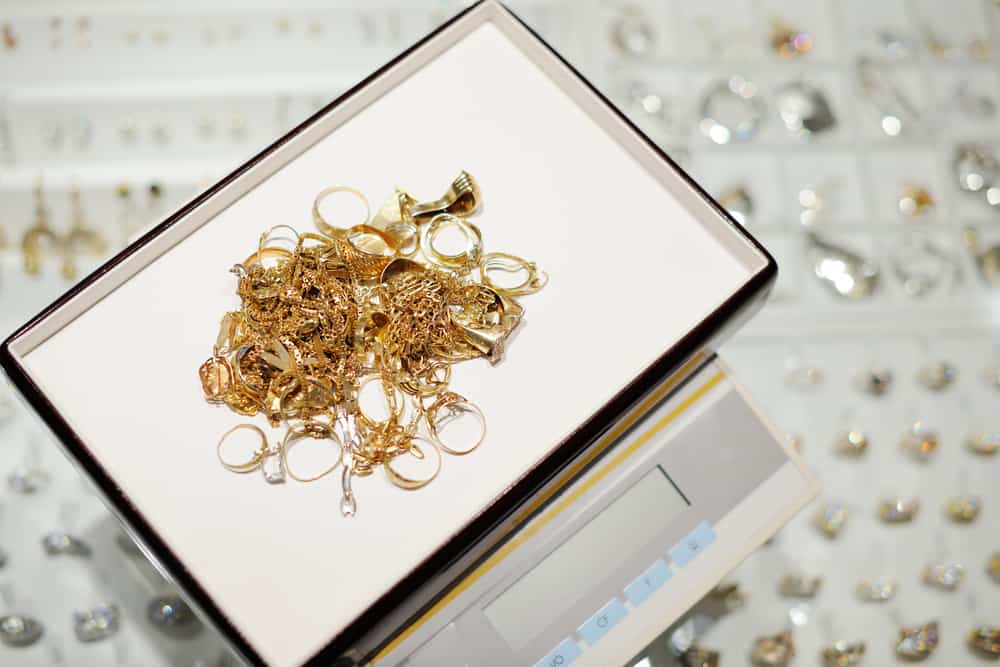
Gold and platinum jewelry consistently deliver the strongest payouts because their value is tied directly to precious metals markets, which are currently high. Even broken gold jewelry — a snapped chain, a bent ring, a single earring — has real melt value and is worth bringing in. The karat matters: 18k and 22k gold are worth more per gram than 10k, but all of it has value.
Diamond jewelry is more nuanced. The resale market for diamonds is less liquid than for gold, which means the offer will depend heavily on the stone’s quality, cut, and certification. A well-cut, certified diamond in a desirable size will fetch a meaningfully better offer than a small or low-quality stone. If you have the original GIA certificate, bring it — it helps establish value quickly and cleanly.
Luxury watches are where the expertise of your buyer matters most. The pre-owned watch market has expanded significantly over the past decade, and certain brands — Rolex in particular — hold their value exceptionally well. A Rolex Submariner, Datejust, or GMT-Master in good condition can be worth several thousand dollars or more on the secondary market. A buyer who actually specializes in Rolex will recognize that and offer accordingly. A generalist shop may not.
Other items worth considering: gold coins, silver flatware, estate jewelry with identifiable makers’ marks, and branded pieces from designers like Tiffany, Cartier, or Van Cleef. These carry brand premiums that a knowledgeable buyer will factor in. The broader point is that “jewelry” isn’t one category — the range of value is wide, and the right buyer will help you understand what you actually have.
For Nassau County residents in communities like Great Neck, Manhasset, Syosset, and Garden City — where generational wealth and luxury goods ownership are common — it’s not unusual for a single piece to be worth significantly more than the owner assumed.
Why Getting a Professional Valuation Before You Borrow Matters
One of the most common mistakes people make when they need fast cash is skipping the valuation step entirely. They assume their jewelry isn’t worth much, rule out selling as an option, and end up taking a high-interest loan they didn’t need to take. The irony is that getting an appraisal costs nothing at a reputable shop — and it takes maybe twenty minutes.
Knowing what your items are actually worth changes the decision entirely. If you walk in thinking your gold bracelet might get you $100 and you find out it’s worth $600, that changes whether selling makes sense. If your inherited diamond ring appraises at $2,500, suddenly you’re not short on vacation cash at all — you just didn’t know what you had.
This is why professional valuation matters before you commit to any borrowing option. A cash offer from a qualified buyer is real market data. It tells you what the item is worth today, in the current market, to a buyer who actually deals in that category. That’s more useful than an online estimate, an insurance appraisal from ten years ago, or a guess.
There’s also a practical advantage to getting the valuation first even if you ultimately decide not to sell. You now know what you have. If you take a personal loan instead and pay it off, fine — you still walk away knowing that your jewelry is a financial asset you can tap in the future. That’s not nothing, especially in Nassau County where the cost of living doesn’t leave much room for financial surprises.
We offer free, no-obligation appraisals at our Huntington showroom on East Jericho Turnpike — accessible from virtually anywhere in Nassau County in under 40 minutes. There’s no pressure to sell or pawn anything. You come in, we tell you what your items are worth, and you decide what makes sense for your situation. That’s it.
The Smartest Fast Cash Option for Nassau County This Summer
If you need cash before summer gets away from you, the answer probably isn’t a payday loan. The math on those rarely works out in your favor, and the stress of repaying a high-interest loan through August tends to outlast whatever you borrowed for in the first place.
Selling jewelry you’re not using — or taking a short-term collateral loan on something you want to keep — is faster than most loans, doesn’t touch your credit, and puts real money in your hand the same day. With gold prices where they are right now, the timing is about as good as it’s been in years.
If you’re in Nassau County and want to know what your jewelry, gold, or luxury watch is actually worth, come see us. We’ve been voted the Best Pawn Shop on Long Island by the Long Island Press, and we offer up to 70% of item value on collateral loans — well above what most shops will offer. Stop in, get a free appraisal, and make the decision with real numbers in front of you.