Summary:
You’ve got a watch — maybe a Rolex, maybe something passed down through the family — and you’re not entirely sure what it’s worth or whether it’s the real thing. That’s a more common situation than most people admit. Watch values shift with the market, insurance policies need current documentation, and the secondhand luxury market has enough counterfeits to make authentication genuinely important.
Getting a professional watch appraisal isn’t complicated, but knowing what to expect — what it costs, what’s actually included, and what separates a real appraisal from a quick glance — makes the whole process a lot less uncertain. Here’s what you should know before you go.
Watch Authentication Cost: What Professional Appraisals Actually Run
Professional watch appraisal costs vary depending on who’s doing the work, what the watch is, and what the appraisal is for. As a general benchmark, expect to pay somewhere between $150 and $500 for a formal written appraisal from a qualified specialist. Rolex authentication with full documentation — serial number verification, movement inspection, condition grading, and a written report — can run $350 or more at dedicated facilities.
What you’re paying for isn’t just someone’s opinion. A legitimate appraisal takes time, requires brand-specific knowledge, and produces a document that holds up with insurance companies, estate attorneys, and buyers. That’s meaningfully different from a quick offer price at a counter.
One thing worth knowing: any appraiser who charges a percentage of the appraised value is a red flag. Reputable appraisers charge flat fees or hourly rates. A percentage-based fee creates an obvious incentive to inflate the number — which helps no one except the appraiser.
Luxury Watch Authentication: What the Process Actually Includes
A thorough luxury watch authentication isn’t a single step — it’s a structured examination that covers the entire piece. The process starts with the physical case: checking for signs of refinishing, non-original parts, or case modifications that would affect both authenticity and value. From there, we examine the dial, hands, and crown for consistency with the reference number and production period.
The movement inspection is where real expertise shows. Counterfeit watches have become sophisticated enough that the exterior can look convincing — but the movement tells the truth. When we inspect a specific Rolex caliber for a given reference, we spot a non-authentic movement quickly. This is also where originality matters: a watch with a replaced movement, even if the exterior is genuine, carries a different value than an all-original piece.
Serial number verification is another non-negotiable step. Every Rolex produced carries a unique serial number that can be cross-referenced against production records to confirm authenticity and establish the approximate production date. For vintage pieces, the production date affects value significantly — collectors care deeply about whether a watch was produced during a specific period.
Finally, condition grading rounds out the process. This involves assessing wear on the case, bracelet, crystal, and dial, and assigning a standardized grade — Mint, Excellent, Good, and so on — that becomes part of the written report. The condition grade directly influences both insurance replacement value and resale market value, so it needs to be accurate and documented clearly.
The end result of a complete authentication is a formal written report: detailed description, photographs from multiple angles, condition grade, production date range, and our credentials and signature. That document is what makes the appraisal useful — not just for your own knowledge, but for any practical purpose that follows.
Insurance Appraisal vs. Resale Appraisal: What Nassau County Watch Owners Should Know
This is one of the most consistently misunderstood aspects of watch appraisal, and it matters more than most people realize. There are two fundamentally different types of appraisals, and using the wrong one can cost you — either in underinsurance or a mispriced sale.
An insurance appraisal establishes retail replacement value: what it would cost to replace your watch with an equivalent piece at today’s retail prices. Insurance companies require this type of documentation to schedule a luxury watch on a personal articles policy. The number is typically higher than what you’d receive if you sold the watch, because it reflects what you’d pay to replace it — not what the market would offer you for it.
A resale appraisal, sometimes called a fair market value appraisal, reflects what a willing buyer would pay a willing seller in the current market. This is the relevant number if you’re considering selling, settling an estate, or dividing assets. It’s almost always lower than the retail replacement value, which is exactly why the two shouldn’t be confused.
Here’s a real-world example of why this matters: a Rolex purchased years ago for $8,000 might carry a retail replacement value of $14,000 today — but if you’re only insured for the original purchase price, you’re carrying a $6,000 gap in coverage. Luxury watch values have moved significantly over the past decade, and many Nassau County residents who own watches they’ve had for years are working from outdated documentation without realizing it.
Industry best practice is to update appraisals every two to three years for vintage pieces and every three to five years for modern watches. It’s not a formality — it’s how you make sure your coverage and your knowledge of what you own actually reflect reality.
Rolex Authentication on Long Island: What Sets a Specialist Apart
Not everyone who accepts watches for appraisal has the same depth of knowledge. A general jeweler can offer a ballpark, but Rolex authentication specifically requires familiarity with the brand’s production history, reference numbering system, caliber specifications, and the known patterns of high-quality counterfeits — which have become sophisticated enough that surface-level inspection isn’t sufficient.
We’re Rolex specialists. That means the person examining your watch isn’t working from a general watch background and a reference book — we know the specific details that distinguish a genuine piece from a convincing fake, and we know what affects value within the Rolex secondary market specifically. We also carry pre-owned Rolex inventory starting at $2,995, which means our pricing knowledge is current and tested against real transactions, not just reference guides.
What Equipment Do Professional Watch Appraisers Use?
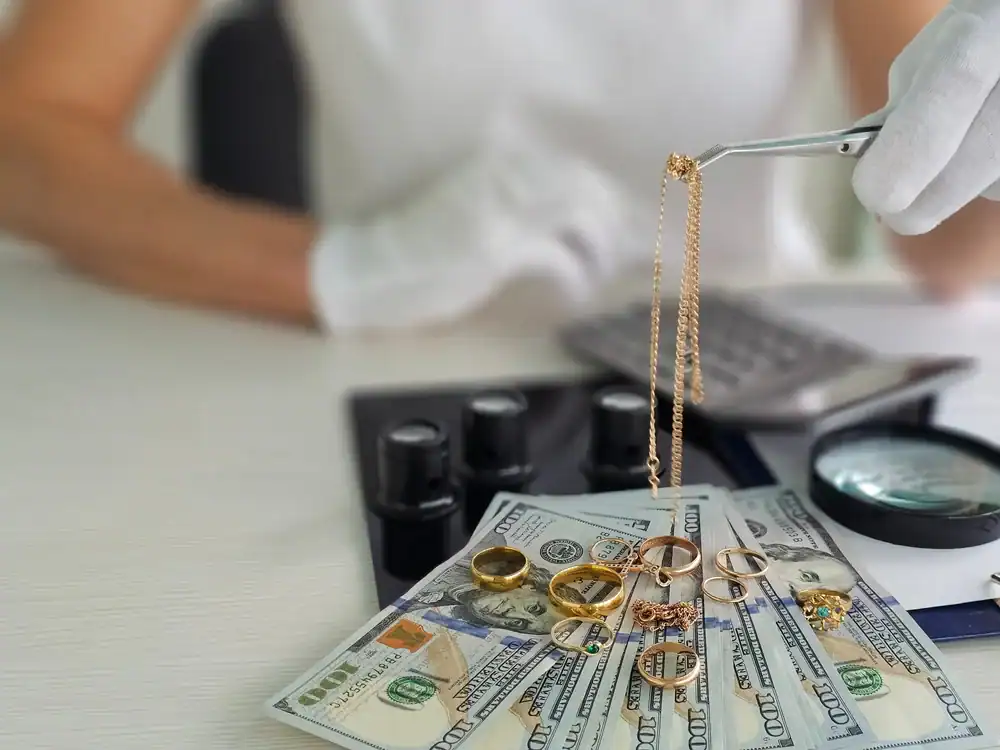
Professional Rolex authentication goes beyond visual inspection. The tools involved are part of what separates a credentialed appraisal from a casual evaluation, and understanding what’s used helps explain why the process takes the time it does.
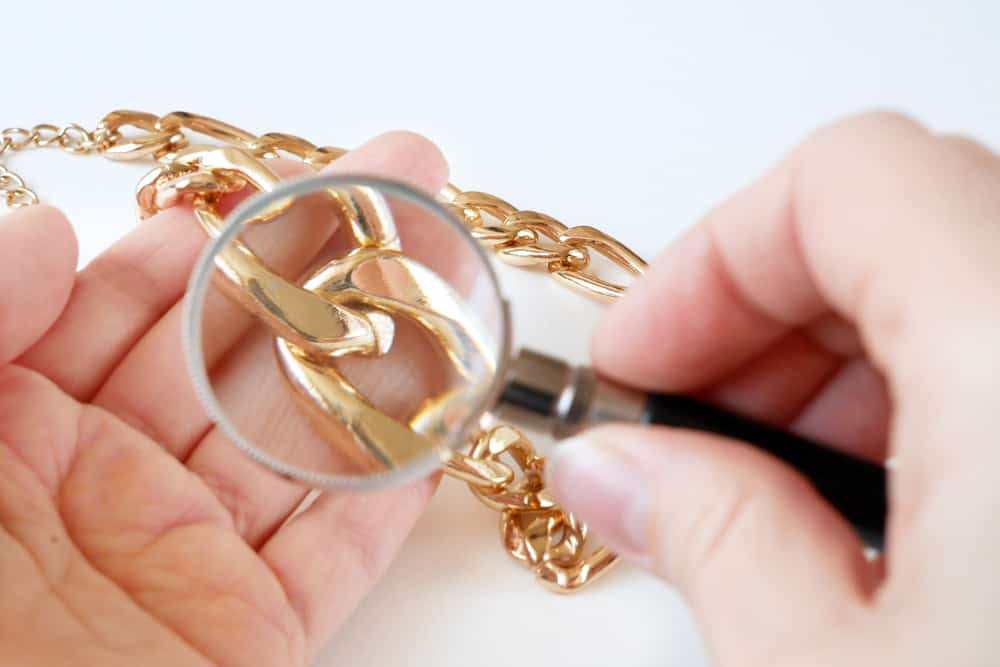
Magnification equipment — loupes and microscopes — allows close examination of dial printing, case finishing, and movement components. Rolex dials are produced to extremely tight tolerances, and under magnification, the differences between authentic and counterfeit printing become visible in ways they simply aren’t to the naked eye.
Movement inspection requires opening the caseback, which is done with specialized case-opening tools to avoid damaging the watch or compromising its water resistance. Once open, we examine the movement for caliber authenticity, originality of components, and service history. An authentic Rolex movement has specific finishing characteristics — the quality of the engravings, the finish on the bridges and plates — that a trained eye can assess immediately.
For watches with precious metal cases or diamond-set dials, materials testing confirms that the metals and stones match manufacturer specifications. This is relevant both for authentication and for accurate valuation, since non-original components affect value significantly.
The written report that comes out of this process is what makes the appraisal actionable. A formal document with photographs, a detailed description, condition grade, and appraiser credentials is what insurance companies accept, what estate attorneys reference, and what gives buyers confidence in a private sale. Without that documentation, you have an opinion — not an appraisal.
Why Nassau County Residents Don't Need to Drive to the Diamond District
NYC’s 47th Street Diamond District is well-known, and for Nassau County residents, it’s also 30 to 40 miles away — with bridge tolls, parking, and the general friction of a city trip added on top. For something as time-sensitive as a watch appraisal, that’s a meaningful barrier, especially when qualified local expertise exists closer to home.
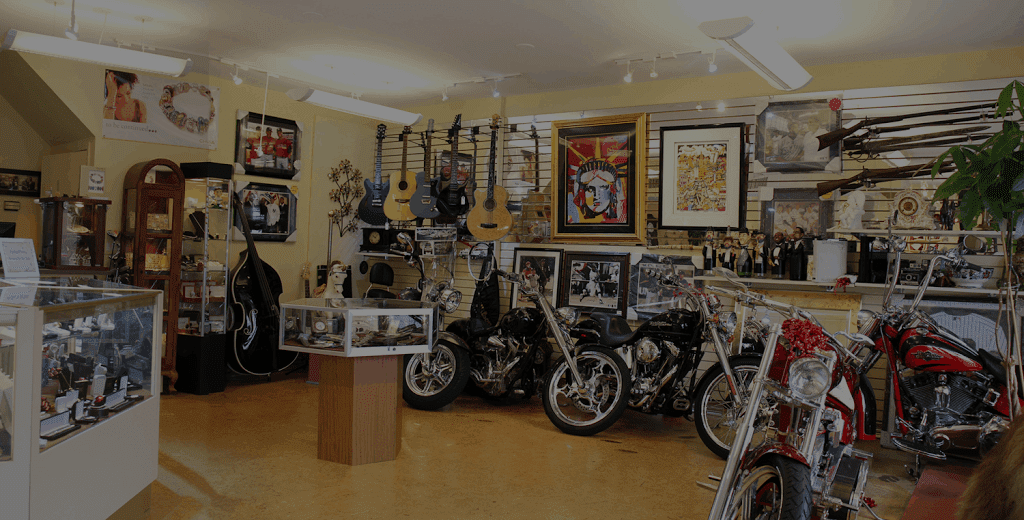
We’re located at 1786 East Jericho Turnpike in Huntington, right on the Route 25 corridor that connects Nassau and Suffolk Counties. For residents coming from Syosset, Woodbury, Jericho, Hicksville, or Oyster Bay, that’s a straightforward drive — no bridge, no parking garage, no navigating Midtown. The Long Island Press named us the Best Pawn Shop on Long Island, and we’re an Authorized Ball Watch Dealer, which reflects the level of brand trust and expertise we operate at.
What makes the local option genuinely practical — beyond the commute — is that everything can happen in one visit. You bring the watch in, we conduct the appraisal in person, and if you decide you want to sell or take a collateral loan against the watch’s value, we can complete that the same day. No shipping a valuable piece to an unknown address, no waiting days for a PDF from an online service, no second trip. The watch stays in your sight throughout the process, and you leave with a clear answer — whether that’s a written appraisal, a cash offer, or a loan at up to 70% of the item’s value with no credit check required.
For Nassau County residents who own a Rolex, a Breitling, or any luxury timepiece and haven’t had it formally appraised in the last few years, the process is simpler than most people expect. The bigger risk is waiting — because the gap between what your watch is insured for and what it’s actually worth in today’s market tends to grow quietly, until it doesn’t.
Getting a Watch Appraisal Near Nassau County: Where to Start
A professional watch appraisal isn’t just paperwork — it’s how you find out what you actually own, what it’s worth right now, and whether your documentation reflects that. For insurance purposes, resale, estate planning, or simply your own peace of mind, a current written appraisal from a qualified specialist is the only number that holds up.
The most important things to take away: know which type of appraisal you need before you go, make sure the appraiser charges a flat fee rather than a percentage, and choose someone with genuine brand expertise — not just general watch experience.
If you’re in Nassau County and want a straight answer about your watch, we’re worth the trip. Bring it in, and we’ll tell you exactly what you’re working with.